
When it comes to pressing health concerns, matters of the heart are consistently at the top of the list.
With someone dying every 36 seconds from the cardiovascular disease according to the CDC, it’s no wonder that so many people are staying vigilant about issues like blood pressure and obesity.
High cholesterol is another key risk factor to pay attention to if you want your heart to be as healthy as possible. High cholesterol levels are linked to serious and often life-threatening conditions like heart disease, heart attacks, and strokes—but it comes with very few warning signs, so it’s crucial to be proactive.
Here’s why your cholesterol levels matter and what you can do to manage them.
What Is Cholesterol?
Cholesterol is a fatty substance primarily produced by your liver and intestines and travels through your bloodstream.
Cholesterol is not inherently bad on its own. The problems begin when your cholesterol levels are too high, a condition otherwise known as “hypercholesterolemia.” So to understand why cholesterol can be harmful, it’s helpful to understand what it is actually supposed to be doing.
Cholesterol plays many essential roles in your body: it acts as a building block for some of your most important hormones, including testosterone, estrogen, progesterone, and cortisol. It’s also a component of bile salt, which helps you to digest fat-soluble vitamins. So since various cells need cholesterol, it needs to be delivered throughout your body through your nutrient “highway”: your bloodstream.
Cholesterol is a fatty substance, so it can’t travel freely through your blood on its own (the two don’t mix well, much like oil and water). Instead, cholesterol is packaged with proteins into compounds called lipoproteins that can move freely through your blood, which allow it to travel through your bloodstream in five different forms: chylomicrons, HDL, LDL, VLDL, and IDL.
While each of these lipoproteins plays specific roles in the delivery of cholesterol, two of the most important ones to be aware of as they relate to your health are LDL and HDL.
LDL (low-density lipoproteins), often referred to as “bad” cholesterol, contain more cholesterol than they do proteins. This means that they are fattier and less dense, which can lead them to stick to the sides of your arteries as they travel and deliver cholesterol to your cells.
HDL (high-density lipoproteins), or “good” cholesterol, have more protein than cholesterol, making them denser. They work by collecting and carrying excess cholesterol away from your organs and towards your liver, where they can be disposed of properly.
So while your overall cholesterol levels do matter, it’s often changing in the ratio of LDL to HDL that can cause problems down the line. Ideally, you want to have a higher HDL concentration and a lower LDL concentration in your blood to prevent cholesterol from sticking to your arteries. Without this proper ratio, some pretty serious complications can develop.
Why High Cholesterol Matters
It probably comes as no surprise that a healthy heart and cardiovascular system are necessary for your body to stay alive. Your heart pumps blood via your arteries throughout your entire body, delivering essential nutrients like oxygen, and any interruption of this system can be life-threatening.
If your LDL levels are high and your HDL levels are low, this can lead to a buildup of cholesterol as the excess LDL starts sticking to the sides of your arteries. If left unchecked, it can combine with other substances like calcium to form plaque, which can harden over time. This hardening of your arteries is called atherosclerosis, which means that your heart has to work overtime to pump blood through those stiffer, narrower arteries.
Unfortunately, the consequences of atherosclerosis can be severe. It can raise your blood pressure to the point of hypertension, a condition often linked to cardiovascular disease.
And if the plaque ruptures, it can lead to blood clots that completely cut off your blood flow. This means that your tissues can become starved for blood and oxygen, and the consequences of this are very serious:
If the blocked vessel prevents blood from being delivered to your heart, it can cause a heart attack
If the blocked vessel cuts off blood delivery to the brain, it can result in a stroke
What are normal cholesterol ranges?
So high cholesterol can lead to severe consequences when left unchecked, but it generally doesn’t come with any noticeable “warning signs.” This is why it’s important to monitor your cholesterol levels with blood tests, especially if you are someone who is at higher risk for it (more on that in a moment).
As a reference, these are the normal cholesterol levels for adults 20 years of age or older:
Total cholesterol 125-200 mg/dL
LDL <100 mg/dL
HDL >40 mg/dL (men), >50 mg/dL (women)
How people develop high cholesterol levels

So how does someone develop high cholesterol? Everyone’s susceptibility to it will vary, but it comes down to three main factors: your lifestyle, age, and genetics.
Lifestyle
As is true with many chronic health conditions, your dietary eating patterns and level of physical activity can play a role in your cholesterol levels. For example, diets that are heavy in processed foods and saturated fats can put you at greater risk of high LDL levels.
Other lifestyle choices can also affect your cholesterol. For example, smoking can lower your HDL levels. Luckily, these are the factors that you can most easily control and manipulate.
Aging
Your risk for developing high cholesterol tends to increase as you advance in age, which is why it is a good idea to have regular physicals and blood tests.
Genetics
Some people are more genetically predisposed than others to developing high cholesterol and heart disease. Knowing your family history can help you predict whether it may become a problem for you.
The connection between obesity, body composition, and cholesterol
There is also another factor at play that can increase your risk of developing high cholesterol: your body composition.
Because it can change your body’s metabolism, being overweight presents its own set of threats to your cardiovascular health. Research has shown that being obese can actually change how your body metabolizes different nutrients, including fat. As it pertains to cholesterol, people who are obese tend to produce more LDL and less HDL.
In addition, having too much body fat promotes insulin resistance and inflammation, both of which can lead to negative consequences for your heart health.
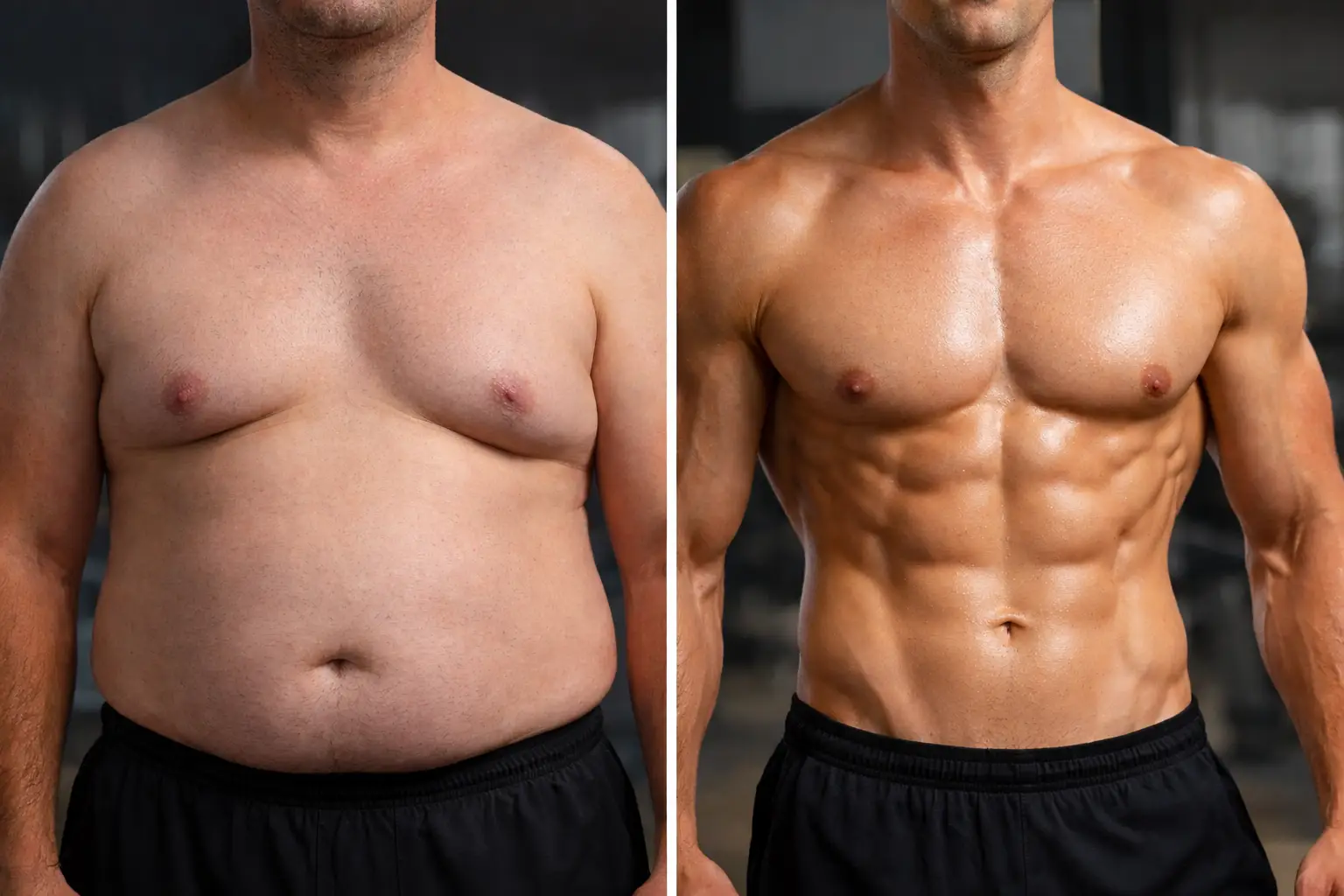
Something important to note is that your body weight on its own isn’t always the best way to gauge your risk for developing heart conditions. What really matters is body composition rather than body weight – for example, people with more muscle than fat can be perfectly healthy even though they might weigh more than what is recommended for their age and height. On the other hand, people can be “skinny fat”— which means that they may weigh in at an acceptable range for their height but their ratio of body fat to weight is too high.
Unfortunately, people who are “skinny fat” can also be susceptible to metabolic conditions and ailments because of their high body fat percentages. This is why it’s so important to track not only your weight but your body composition as well.
How To Lower Your Cholesterol
Your cholesterol levels are dependent on so many different factors, not all of which are under your control – such as your age or family history.
Luckily, there are plenty of lifestyle adjustments that you can make to improve both your body composition and your cholesterol levels, which can make a huge difference in your heart health.
Here are some ways to lower your high cholesterol levels:
Minimizing the saturated and trans fat in your diet
It wasn’t too long ago that all dietary fat was blamed for raising cholesterol levels.
But it turns out that the kinds of fats are just as important as how much fat you eat. Saturated fats, like those found in meat and dairy, and trans fats (margarine, fried foods, processed foods) raise cholesterol levels. On the other hand, it’s no longer believed that eating cholesterol-rich foods like eggs have as much of an effect on your cholesterol as once believed.
To reduce your cholesterol levels, you should minimize your intake of saturated fats and avoid trans fats altogether. This generally means eating less fatty red meat, dairy products, and processed “commercial” foods.
You can replace them with healthier unsaturated fats, which can actually help improve your cholesterol levels instead. Good examples of healthy fats include:
Monounsaturated fats from olive oil, sunflower oil, and canola oil
Omega-3 fatty acids in fatty fish, walnuts, and chia seeds
Eating more “heart-healthy” foods
Certain nutrients can minimize your risk of cholesterol buildup. For example, fiber binds to cholesterol and prevents it from building up and causing atherosclerosis. In the same vein, antioxidants and vitamins from plant-based foods also play a role in fighting inflammation, which can also improve your heart health.
Some heart-healthy foods you should be eating more of include:
Whole grains like oats, quinoa, barley, and rye
Fruits such as berries, grapefruit, apples, pears, and grapes – the more variety, the better!
Veggies like leafy greens, cruciferous broccoli, and brussels sprouts, and carrots
Increasing exercise
Regular exercise can also help improve your cholesterol levels, especially with higher-intensity workouts, such as cardio that get your heart rate up. A peer-reviewed study found that people who exercised so that they reached 75% of their maximum heart rate were able to see both lower levels of LDL and higher levels of HDL.
Increasing your exercise and activity level will often coincide with improved body composition, especially when paired with a proper diet. For best results, include a mix of both resistance training (for increasing muscle mass) and cardio (for decreasing body fat).
Quit smoking
Smoking damages your arteries, making them more susceptible to plaque buildup. It can also lower your body’s production of HDL and increase its production of LDL, all of which can have a huge negative impact on your heart.
If you are a regular cigarette smoker, quitting now is one of the most impactful things you can do to get your cholesterol levels in check. One study found that people who quit smoking showed improvements in their HDL levels after one year, even if they gained weight after quitting!
Conclusion
With 2.6 million people dying every year from cholesterol-related conditions, there is no question that monitoring cholesterol matters now more than ever. It may take a dedicated combination of watching your diet, increasing your physical activity, improving your body composition, and checking in regularly with your doctor – but your heart will thank you for years to come.